Strictly Come Dancing
| First broadcast | 2004 |
|---|---|
| Original network | BBC One |
| Format | Celebrity dance competition |
| Judging panel | Professional ballroom and Latin dancers |
| Hosts | Varies by series |
| Number of series | Ongoing |
| Typical series length | Approximately 13 weeks |
| Prize | The Glitterball Trophy |
Origin and history
Strictly Come Dancing is a British television programme that originated in the United Kingdom. It first aired on the BBC in the early 2000s, specifically in the year 2004. The format was adapted from the long-running BBC series "Come Dancing," which was a straightforward ballroom competition broadcast for decades prior. The innovative change was pairing professional dancers with celebrities from other fields for a weekly elimination contest. This format itself was licensed from an international television franchise, which had seen success in other countries. The show's creation marked a significant revival and reinvention of ballroom dancing for a modern prime-time audience. Its initial launch was followed by rapid growth in popularity, establishing it as a staple of British autumn television schedules.
What it is for
Strictly Come Dancing is a televised dance competition designed to pair celebrities with professional dancers. Its primary purpose is competitive entertainment, as these couples perform choreographed ballroom and Latin dances each week. The performances are scored by a panel of expert judges, whose points are combined with public telephone votes. The results process eliminates one couple each week until a champion is crowned in a final. Beyond the competition, the show aims to demonstrate the skill and artistry of professional dance to a wide audience. It also serves to popularize and demystify ballroom and Latin dance styles for the general viewing public.
Pros and cons
A significant advantage of Strictly Come Dancing is its high production value, featuring elaborate costumes, live orchestral music, and sophisticated set designs that create a glamorous spectacle. The format successfully showcases professional dancing talent and often generates a genuine sense of journey and improvement for the participating celebrities. A common drawback is the occasional controversy over judging decisions or voting outcomes, which some viewers perceive as unfair and which can dominate discussion. The intense training regime is physically demanding and leads to injuries for some contestants, forcing withdrawals and altering the competition. Some participants regret the intense public and media scrutiny that comes with the show, which can extend beyond their dancing to their personal lives. The structured format can also feel repetitive over a long series for some regular viewers, with predictable segments and narrative arcs each season.
Who it suits
Strictly Come Dancing particularly suits viewers who enjoy light entertainment, performance shows, and family-friendly weekend television. It appeals to those with an interest in dance, whether as casual observers or knowledgeable enthusiasts of ballroom and Latin techniques. The show suits celebrities who are willing to commit to a rigorous, months-long training schedule and who are comfortable performing live on national television. It is well-suited to professionals within the dance industry, as it provides a prominent platform for choreographers, dancers, musicians, and costume designers. The programme also suits advertisers seeking to reach a broad, mainstream audience during a highly rated, weekly broadcast event. Finally, it suits fans who enjoy the communal aspect of a shared viewing experience, complete with weekly voting and water-cooler discussion about the performances and results.
Latest Strictly Come Dancing news
Latest reporting

New hosts Emma Willis, Josh Widdicombe and Johannes Radebe
The 22nd series of Strictly Come Dancing launches with new presenters Emma Willis, Josh Widdicombe and Johannes Radebe, who bring a superfan humility.

Strictly Pros Announce 2027 UK Tour 'Here Come the Boys'
Four Strictly Come Dancing favourites are launching a new stage show, 'Here Come the Boys', on a 24-date UK tour in June 2027.
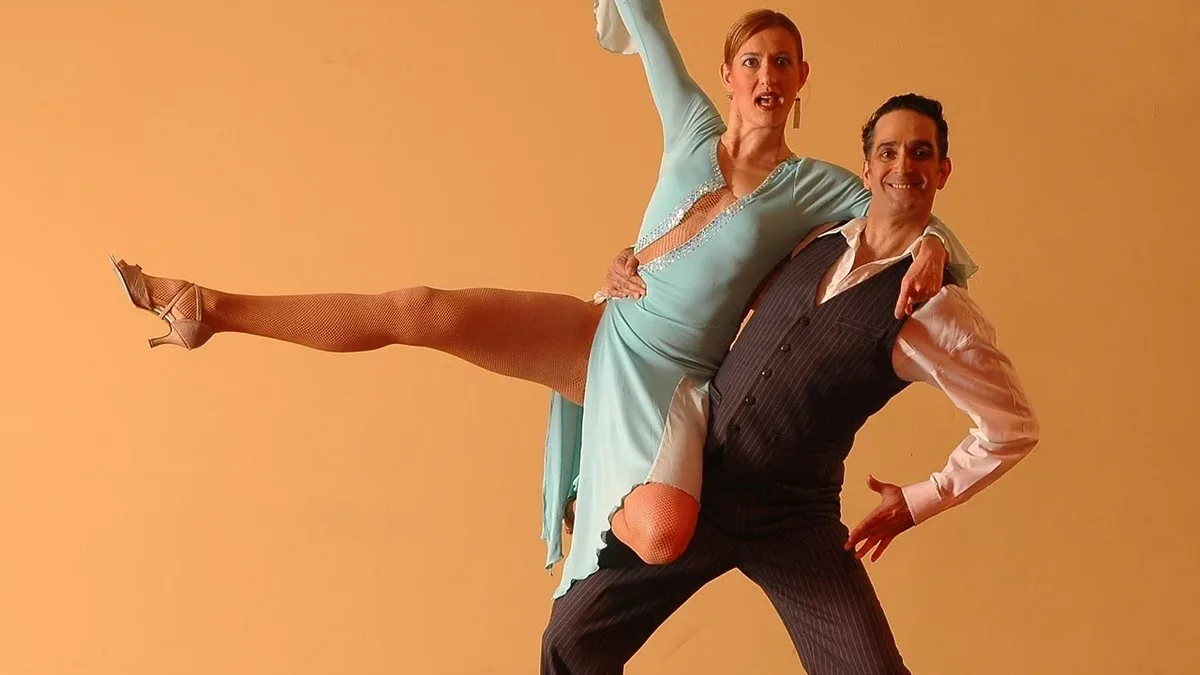
Strictly Come Dancing 2026 Launch Show First Look Revealed
The BBC has released first-look images from the 2026 Strictly Come Dancing launch show, featuring new hosts Emma Willis, Johannes Radebe, and Josh

New Strictly hosts reject 'roving reporter'
Emma Willis, Josh Widdicombe and Johannes Radebe clarify their roles for the new Strictly Come Dancing series, denying fixed positions and reports of...