Brand Deals And Endorsements
| Public figure type | Entertainer, Athlete, Influencer, or other |
|---|---|
| Primary public work | Music, Film, Sports, Social Media, or other |
| Primary audience demographic | Age range and/or gender focus |
| Typical brand categories | Fashion, Tech, Fitness, Food & Beverage, or other |
| Standard deal structure | One-off post, Long-term ambassador, Equity stake, or other |
| Key performance metrics | Engagement rate, Reach, Sales attribution, or other |
| Typical contract duration | Months to years (varies) |
| Common exclusivity clauses | Category, Region, Time period, or none |
Origin and history
The commercial practice of brand deals and endorsements, where a prominent individual lends their name or image to promote a product or service, has ancient origins. Its earliest documented forms can be traced to the civilizations of the Roman Empire, where gladiators and athletes would endorse products like pottery and olive oil. The modern concept, however, solidified as a core marketing strategy in the United States during the late 19th and early 20th centuries. This period saw the rise of mass-produced consumer goods and national advertising campaigns, creating a need for recognizable figures to build trust. Early examples include royalty endorsing commercial products in Europe and actors appearing in printed advertisements for cigarettes and automobiles. The advent of radio and, later, television in the mid-20th century exponentially increased the reach and impact of such partnerships. The practice has continuously evolved with media formats, from celebrity magazine ads to today's social media influencer integrations.
What it is for
Brand deals and endorsements are a form of marketing communication designed to transfer the qualities, credibility, or popularity of a public figure to a brand, product, or service. The primary function is to generate awareness and positive association, cutting through a cluttered media landscape by leveraging the figure's existing audience. This strategy aims to build consumer trust more quickly than an unknown brand could achieve on its own, as the endorsement acts as a form of social proof. It is specifically used to target and engage the public figure's demographic followers, directing their attention and purchasing intent toward the endorsed offering. Beyond simple awareness, these deals can also be employed to redefine a brand's image, such as by associating it with athletic excellence, artistic credibility, or lifestyle aspiration. The arrangement serves the public figure by providing a significant revenue stream that capitalizes on their fame beyond their primary profession.
Pros and cons
A significant pro is the potential for rapid brand lift and market penetration, as the public figure instantly grants access to a large, engaged, and often loyal community. This can lead to measurable increases in sales, website traffic, or social media following for the brand in a very short timeframe. For the public figure, it provides substantial financial compensation and can reinforce their own personal brand through association with prestigious or innovative companies. A major con, however, is the inherent risk of reputation damage for both parties if the public figure becomes involved in a scandal or controversy, which can lead to swift and costly contract terminations. Brands often regret choices where the partnership feels inauthentic or forced, leading to audience skepticism and accusations of "selling out" that damage credibility for both the endorser and the product. A common mistake is focusing solely on the figure's follower count without analyzing audience alignment, engagement quality, or potential conflicts with the figure's previously stated values, which can result in ineffective campaigns or public backlash.
Who it suits
This practice suits public figures who have cultivated a well-defined, engaged, and trustworthy personal brand that aligns with specific market sectors, such as athletes in sportswear or nutrition. It is particularly effective for individuals with a dedicated niche audience that is difficult for brands to reach through traditional advertising, like a scientist endorsing laboratory equipment or a musician promoting audio hardware. Brands with a clear target demographic that matches a figure's follower profile benefit most, as the endorsement feels like a natural recommendation rather than an advertisement. The strategy suits product launches or rebrands seeking immediate credibility and visibility, where the figure's stamp of approval can mitigate consumer hesitation. It is less suitable for public figures with a highly controversial or divisive public image, or for brands in industries where authenticity is paramount and paid promotions are viewed with intense skepticism. Ultimately, it suits partnerships where there is a genuine, believable connection between the figure's public work and the product's function, creating a mutually beneficial exchange of value.
Latest Brand Deals And Endorsements news
Latest reporting
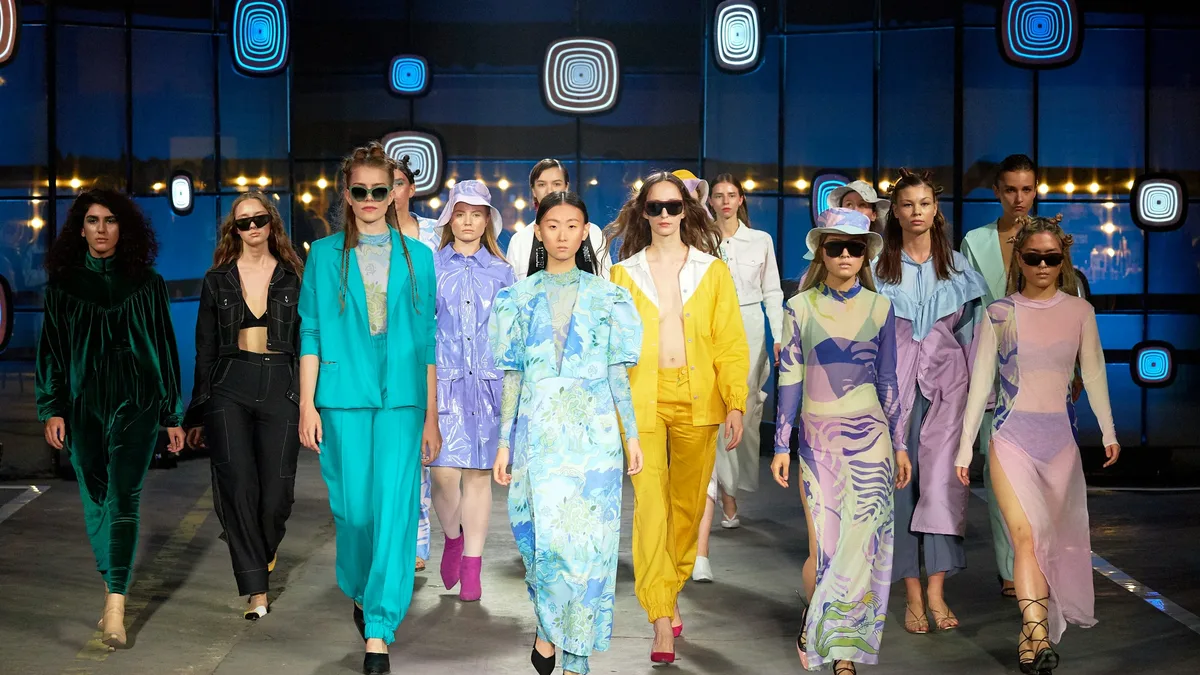
R&M Leathers Debuts Kink-Themed Catwalk at London Fashion Week
Fetishwear brand R&M Leathers staged its first-ever catwalk show during London Fashion Week SS27.

Dolly Parton's final projects revealed
Dolly Parton's manager says she had many projects in development at her death, including a biopic, a coffee brand, and an avatar show.

JoJo Maman Bébe partners with Godstone Farm for play campaign
JoJo Maman Bébe is nominated for Brand Partnership of the Year at the RG Retail Excellence Awards after launching a spring 2026 campaign with...

Christian Metal Band Demon Hunter Sues Netflix Over KPop Demon Hunters Trademark
Christian metal band Demon Hunter has filed a trademark lawsuit against Netflix, alleging that the streaming giant's KPop Demon Hunters franchise is...