Tom Rhys Harries on playing DC's Clayface
Welsh actor Tom Rhys Harries discusses his role as the monstrous villain in the new film 'Clayface', while a separate list highlights seven uniquely human-made animated films celebrated for their artistic integrity.
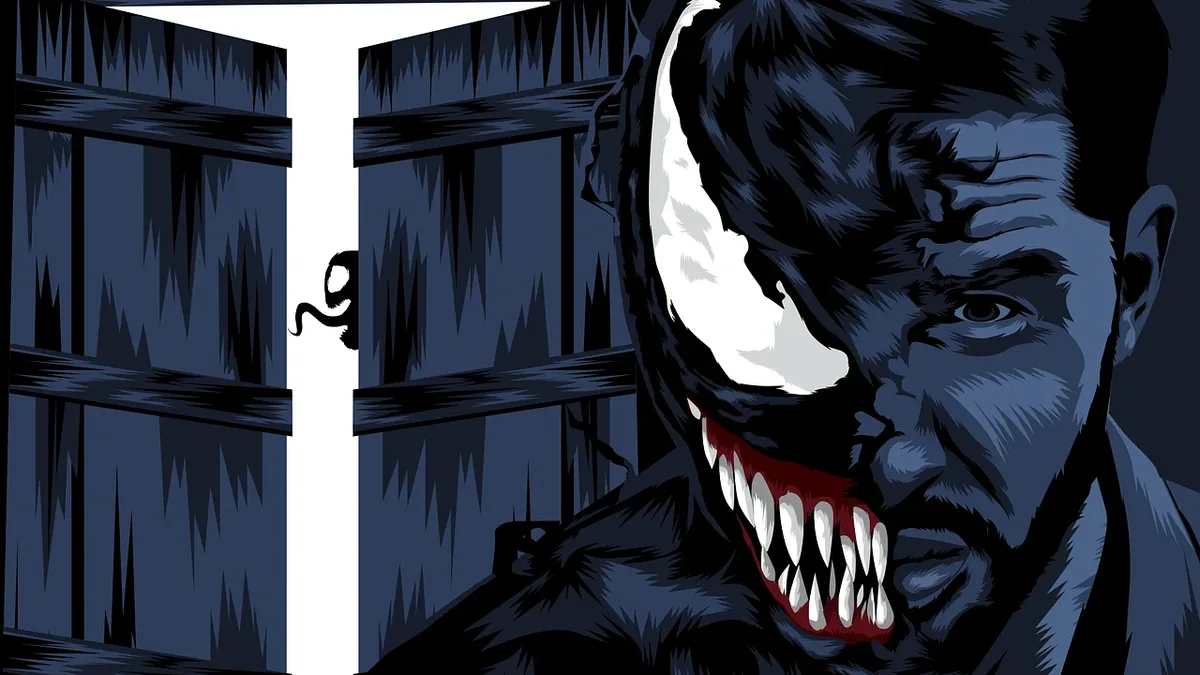
Two distinct stories from the entertainment world highlight the craft behind the camera and in front of it. Welsh actor Tom Rhys Harries looks at his major role as the DC supervillain Clayface, while a curated list champions seven animated films celebrated for their distinctly human artistry.
Tom Rhys Harries as Clayface
Tom Rhys Harries stars as the severely mutilated protagonist Matt Hagen in the new DC Comics blockbuster Clayface. The 36-year-old Cardiff-born actor secured the role after a three-month audition process for producers James Gunn and Matt Reeves. His character is a rising star who, after being disfigured by a mob boss, undergoes an experimental treatment that restores his looks but grants him unstable shape-shifting abilities.
The film leans closer to horror than traditional superhero fare, described as a cross between Darkman and The Substance. Harries pinpointed one particularly gruesome scene as the film's defining moment. "I felt ready to do this," Harries said of taking on the major role. Had I been younger, I’d have been suffocated by the insecurity of wanting to do a good job but not having that quiet trust in getting there. The actor, who lives in Los Angeles with musician girlfriend Amy Allen, downplayed any personal connection to the story's themes of vanity and lost identity, despite playing a pretty-boy actor. He shrugged off the vanity angle, stating his looks are simply an aspect of his work.
Human-Made Animated Films
A selection of seven animated films shows the painstaking, human-driven artistry that defines the medium. These projects, which range from a 1970s hand-painted short to a modern 3D puppeted comedy, are presented as creative antidotes to AI-generated content. Each film was crafted over years by animators employing techniques like cel-by-cel painting, stop-motion, and mixed media.
The list includes Suzan Pitt's 1979 short Asparagus, a nearly 20-minute psychosexual journey hand-painted on approximately 8000 sheets of acetate over four years. Phoebe Jane Hart's 2024 Sundance award-winning short Bug Diner uses 3D puppetry to explore relationship dynamics among animal characters in a roadside diner. Other featured titles are the cult cyberpunk thriller Akira (1988), the trance-like horror of The Wolf House (2018), Wes Anderson's stop-motion canine adventure Isle of Dogs (2018), the existential French animation God Is Shy (2025), and Satoshi Kon's psychedelic 2006 feature Paprika.
These films are united by their embrace of messy, human imagination and complex themes. The curation argues that their unique visual and narrative qualities, from a four-titted squirrel to a shape-shifting pig, represent a form of artistic expression that cannot be replicated by machine algorithms. The selection serves to highlight animation as a discipline demanding patience and profound problem-solving from its creators.