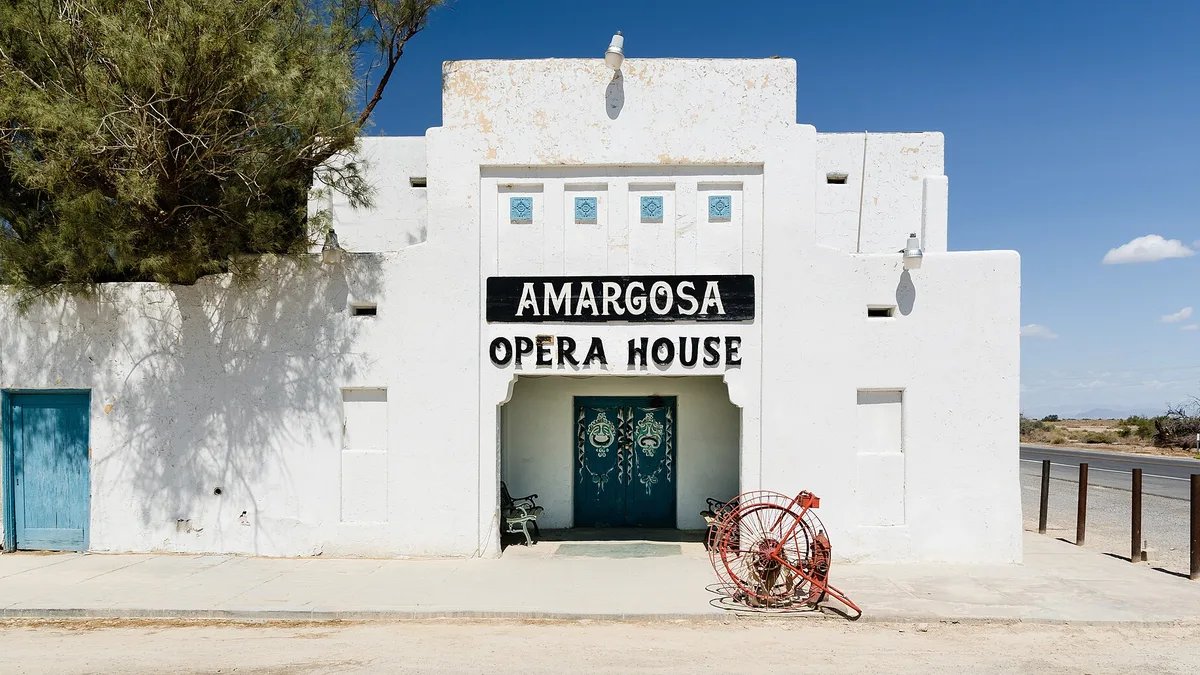
Classical Music And Opera
| Genre | Classical and operatic music |
|---|---|
| Period of activity | 18th century to present |
| Primary instruments | Orchestra, voice, piano, strings, woodwinds |
| Key forms | Symphony, concerto, sonata, opera, art song |
| Original use | Concert performance and theatrical presentation |
| Notable composers | Varies by era (e.g., Baroque, Classical, Romantic, Modern) |
| Performance setting | Concert halls, opera houses, churches |
Origin and history
Classical music, as a distinct tradition from folk or popular music, has its deepest roots in the liturgical and secular music of Medieval Europe, with significant development occurring from the 11th century onward. The specific common practice period most associated with the term "classical music" emerged in Europe, with its core harmonic and structural principles solidifying during the Baroque era in the 17th and early 18th centuries. Opera as an art form was consciously invented in Italy around the year 1600 by a group of Florentine intellectuals and composers known as the Florentine Camerata, who sought to recreate ancient Greek drama. The form rapidly spread from Italy to other European courts and cultural centers, evolving distinct national styles in France, Germany, and England. The history of both is characterized by distinct stylistic periods, including the Baroque, Classical, Romantic, and Modern eras, each with defining composers and aesthetic ideals. This historical continuum represents a documented, evolving tradition of notated music and theatrical production supported by aristocratic, state, and later public institutions.
What it is for
Classical music and opera serve as complex systems for artistic expression, intellectual engagement, and emotional communication through organized sound and staged drama. They provide a structured framework for composers to explore harmonic innovation, thematic development, and large-scale architectural forms beyond the scope of most popular song. Opera specifically integrates music, drama, poetry, visual arts, and often dance to create a heightened, synthetic theatrical experience that amplifies human emotion and narrative. The repertoire functions as a preserved cultural archive, offering insight into the philosophical, social, and aesthetic values of the periods in which it was created. For performers, it demands a high level of technical mastery and interpretative skill, often developed through years of dedicated training. For audiences, it offers an experience that can be contemplative, emotionally cathartic, intellectually stimulating, or simply a source of profound aesthetic pleasure, depending on the work and listener.
Overview
The classical music tradition is built upon a foundation of notated scores that prescribe musical parameters while allowing for interpretative nuance in tempo, dynamics, and phrasing. It encompasses a vast repertoire including solo instrumental works, chamber music for small ensembles, symphonies for full orchestra, concertos featuring a soloist with orchestra, choral works, and art songs. Opera is a subset of classical music that is inherently dramatic, featuring singers who portray characters in a story told through a combination of aria (solo song), recitative (speech-like singing for dialogue), and ensemble numbers. A full-scale opera production involves a conductor, orchestra, stage director, set and costume designers, lighting designers, and a chorus, in addition to the principal soloists. The performance venues range from historic opera houses and dedicated concert halls to more modern and adaptable performing arts centers. The canon includes works from centuries of output, with contemporary composers continuing to add new works to the living tradition, ensuring its ongoing evolution.
What to know
The experience is typically presented in a formalized setting where audience etiquette, such as silence during movements and applause at designated breaks, is conventionally observed. Understanding the basic structure of a symphony (often four movements) or an opera (divided into acts and scenes) can greatly enhance a listener's ability to follow the musical and narrative arc. While some knowledge of music theory or historical context can deepen appreciation, it is not a prerequisite for being moved by the power of the performance. The financial model for large institutions like symphony orchestras and opera companies relies heavily on a mix of ticket sales, private philanthropy, corporate sponsorship, and often public subsidy. Building familiarity with the repertoire is a gradual process, and many find starting with more accessible, melodic works from the Romantic period or attending a themed concert with commentary helpful. Recordings provide widespread access, but the visceral impact of live acoustic performance, with its unrepeatable energy and communal atmosphere, is considered a core part of the tradition.
Common questions
Is it necessary to dress formally to attend a performance? While opening nights or certain venues may retain formal traditions, for most regular performances, neat, business-casual attire is widely acceptable. How long is a typical opera? Operas vary greatly, but many standard repertoire works run between two and a half to four hours, including intermissions. What is the difference between a philharmonic and a symphony orchestra? There is no functional difference; the titles are historical and often interchangeable within the same city. Do performers always use the original language? Opera is frequently performed in its original language with projected translations (supertitles), though some companies perform in the local vernacular. Is classical music only from dead, white European men? While the historical canon is dominated by such figures, the tradition has always included composers of diverse backgrounds, and contemporary classical music is globally diverse and actively expanding. How does one start exploring such a vast repertoire? Beginning with curated listening lists, popular introductory works, or attending live "pops" or family concerts are all effective entry points.
Pros and cons
A significant pro is the depth and structural complexity of the music, which offers layers of meaning and detail that can reward a lifetime of repeated listening and study. A major con is the high barrier to entry, which can be intellectual, financial, and social, often making newcomers feel unwelcome or intimidated by perceived rules and required knowledge. The institutions that sustain it can be perceived as elitist, resistant to change, and financially precarious, sometimes prioritizing a conservative subscription base over cultivating new audiences. A common mistake for newcomers is attending a demanding, lengthy modern opera or avant-garde symphony as a first experience, which can lead to frustration rather than enjoyment. Many who regret their engagement often cite stagnant, traditionalist productions that feel museum-like, or performances that prioritize technical precision over emotional communication, resulting in a sterile experience.
Who it suits
This tradition suits listeners who seek immersive, focused auditory experiences and who enjoy discovering intricate patterns, narrative depth, and emotional nuance within a structured artistic framework. It appeals to individuals with patience and a willingness to engage in active, rather than purely background, listening, often requiring sustained attention over longer durations. It is well-suited to those interested in cultural history, as the repertoire serves as a direct sonic link to the past and its evolving artistic ideals. Aspiring and practicing musicians, singers, and conductors find it essential as the foundation of their technical and interpretative training and professional repertoire. It also suits community-minded individuals who value the role of large, non-profit cultural institutions as civic pillars that provide employment for artists and craftspeople. Ultimately, it is for anyone curious enough to move beyond initial unfamiliarity, as its vast range contains music of power, serenity, and intelligence capable of resonating with a wide variety of personal temperaments.
Latest Classical Music And Opera news
Latest reporting

Attitude Awards 2026 Honour LGBTQ+ Icons Across Entertainment
The 15th Attitude Awards in London celebrated LGBTQ+ figures and allies from music, film, TV and activism, with winners including Pet Shop Boys...

Wynne Evans claims Strictly 2024 couple did not get along
Opera singer Wynne Evans has claimed one celebrity-professional pairing on his series of Strictly Come Dancing did not get along.

Dolly Parton death sparks tributes from stars
Dolly Parton, 80, died after a brief battle with cancer, prompting tributes from Miley Cyrus, Taylor Swift, Beyoncé and other music icons.

Brandon Flowers Reflects on Fame and Music Career
Brandon Flowers, frontman of The Killers, discusses his 25-year music career, his new solo album Thrasher, and his thoughts on fame and success.

The Evolution of Underground Music in the Digital Age
The concept of underground music has undergone a significant transformation in recent years, with the rise of digital platforms and social media...

Frank Ocean's Blonde: A Legacy of Emotional Intelligence
Fans reflect on the impact of Frank Ocean's album Blonde, released 10 years ago, and how it has influenced their lives and understanding of music.