Fashion Britain initiative highlights
As London Fashion Week concluded, the British Fashion Council's Fashion Britain initiative hosted pop-up events across England, Wales, and Scotland to
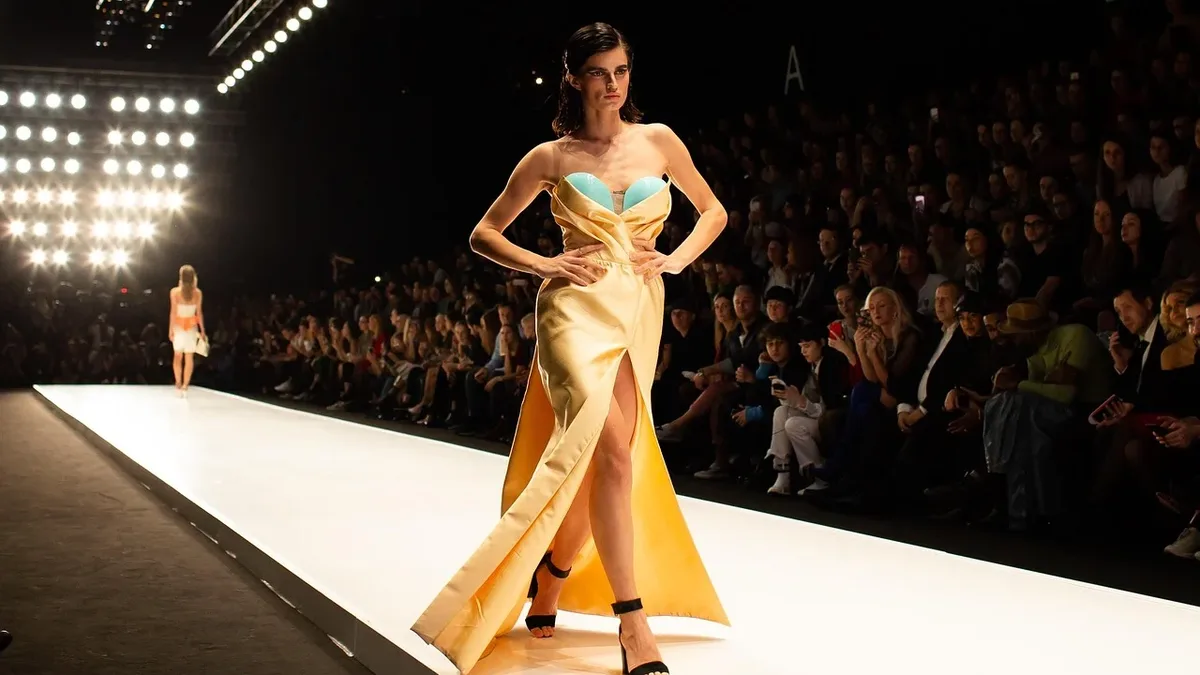
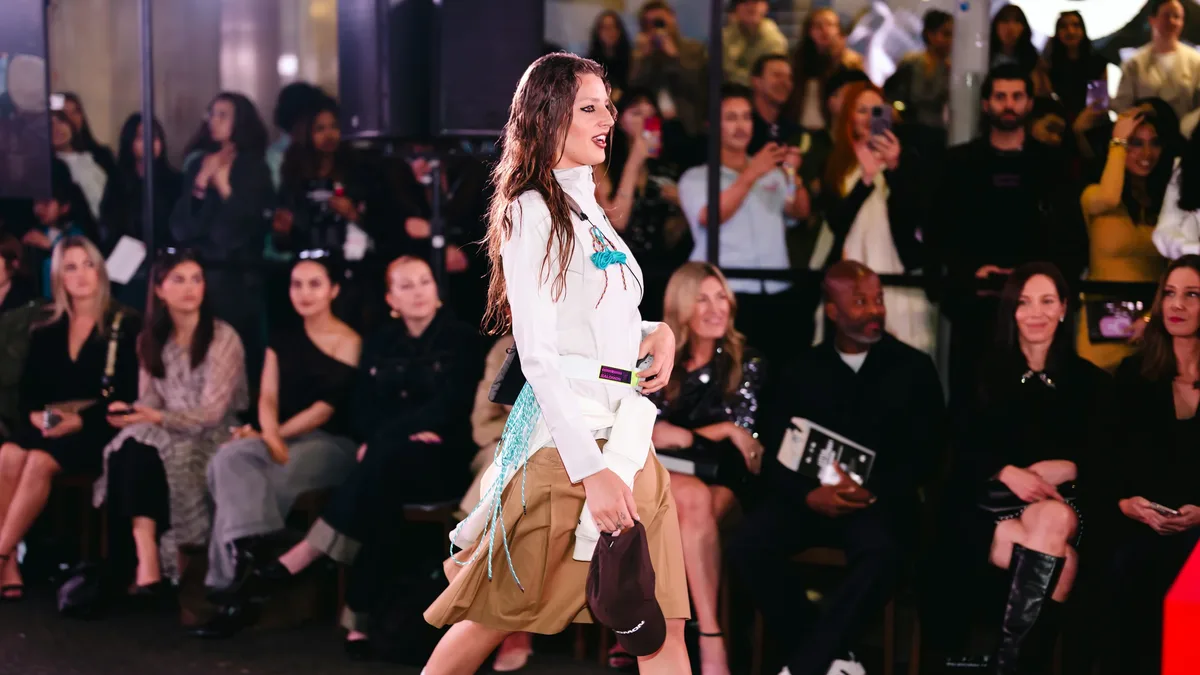
London Fashion Week has ended, featuring a Fashion Britain initiative that hosted pop-up events across England, Wales, and Scotland to showcase talent beyond London. The British Fashion Council runs the program to open up access for designers outside the capital, aiming to show that this year's event was 'bigger than London'.
Voices from outside London share their experiences
Scottish designer Charles Jeffrey, founder of the label Loverboy, started his career in a tiny Dalston studio. He recalled using fabrics from London's cheap shops, many of which have now gone. He noted fabric is now likely cheaper in Manchester. Jeffrey supported Fashion Britain this year to open doors for creatives outside London. "A lot of people think in order to make it big, you have come to this big city because it has the schools here," he said.
Imarnie Bennett, a 22-year-old Birmingham City University graduate, travelled to London to showcase her project. She said London is well known and offers lots of opportunities, but Birmingham is becoming more noticed for its creatives. She believes being different, such as through colour, can change perspectives.
British designer Priya Ahluwalia showcased her archive at Westfield Stratford City. She said there is a genuine issue with London being seen as the centre of the universe in fashion, noting incredible talent comes from all over the UK. She argued practical help is vital for access. "There needs to also be support for people to be able to travel to London, show up in London," Ahluwalia stated, adding that London will remain the centre of UK fashion even with decentralisation.
Industry leaders explain the initiative’s goals
British Fashion Council CEO Laura Weir and Network Director Natalie Potter affirmed the initiative's goals. Potter said Fashion Britain is about recognising that British fashion is bigger than London. Events were held in London, Bristol, Manchester, Liverpool, Newcastle, Edinburgh, Dundee, and Cardiff in the run-up to London Fashion Week.
The aim is to connect talent to the infrastructure and opportunities they need to grow. This includes working with global businesses to provide routes to retail and active mentorship. Potter confirmed this support will happen locally and regionally.
Major fashion moments bookend the week
Burberry closed London Fashion Week on Monday evening. Chief designer Daniel Lee paired the brand's signature check with clashing florals and soft leather. Textile designer Celia Birtwell helped put together the show, hand-painting check print trenches and smiley-face jumpers. The show featured rapper Central Cee on the catwalk, with Romeo Beckham, Skepta, Jonathan Bailey, and Rosie Huntington-Whiteley in the front row. Burberry reported a growth in revenue for the first time in three years this summer.
Alexander McQueen, under creative director Seán McGirr, moved its show to London after 25 years in Paris. Weir called the move 'quite a big deal for us'. The collection featured devil horns, lace corsets, and chainmail skull dresses. Mulberry made a big return after a nine-year absence, relaunching its ready-to-wear division under the creative leadership of Christopher Kane. His debut collection for Mulberry centred around the Baywater bag, emphasizing leather in coats, skirts, and loafers.
The British Fashion Council says Fashion Britain will continue to support talent locally and regionally through mentorship and infrastructure.