Sherlock's Rotten Tomatoes Score Plunges
The BBC's Sherlock series saw its critical and audience approval halve between its third and fourth seasons, according to a report analyzing its creative
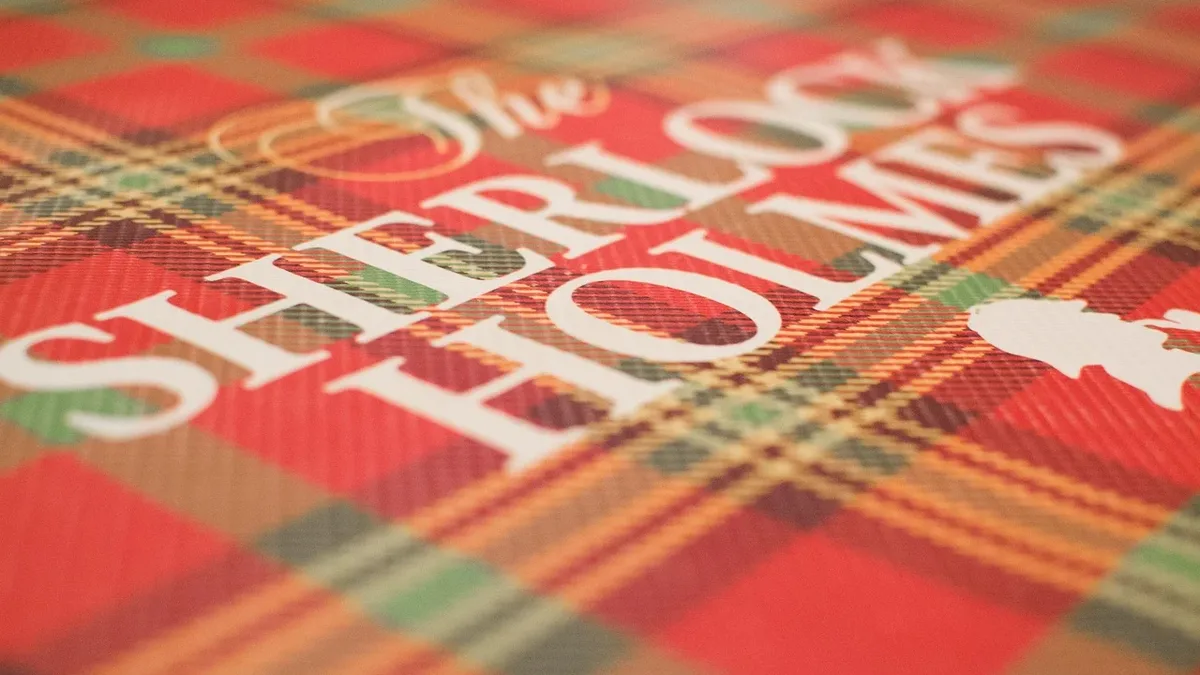
The BBC's Sherlock saw its Rotten Tomatoes critics and audience scores essentially halve between its third and final fourth season. A report from Screen Rant argues the show's decline stemmed from learning the wrong lesson from its most celebrated episode, the season two finale "The Reichenbach Fall."
That episode is considered one of the best in the series. It featured a brilliant cliffhanger where Sherlock Holmes appeared to die by suicide to save his friends from the villain Moriarty. The twist worked because it served both the story and Sherlock's character, revealing his deep care for John Watson and others despite his emotional detachment.
The Show's Shift From Mystery To Mythology
According to the analysis, Sherlock season 3 marked a turning point. The show became more interested in the mythology surrounding Sherlock Holmes than in the mysteries he was solving. Twists became bigger instead of smarter.
Initially, Sherlock was extraordinary because he was simply an exceptional detective. The fun was in watching him unravel impossible cases. Later, the show kept finding new, elaborate reasons for him to be extraordinary. These included expanded backstory, secret family members, and international secrets.
The character of John's wife, Mary Watson, exemplified this shift. Rather than simply being a love interest, she was revealed to have a secret past as a former assassin. The report states the show was increasingly letting mysteries drive character, rather than letting character drive mystery.
The season 3 finale, "His Last Vow," seemed desperate to top "The Reichenbach Fall." It replaced an emotionally grounded twist with elaborate reveals. One disappointing ending involved a villain's vast blackmail material existing only inside his mind.
Season 4's Convoluted Finale
Season 4 doubled down on this shift. Secret siblings, childhood trauma, and convoluted mind games took center stage. The season culminated in the introduction of Sherlock's secret sister, Eurus.
The series finale, "The Final Problem," centered on an elaborate psychological game designed by Eurus. Sherlock had to unravel a series of increasingly bizarre challenges. The result was one of Sherlock's most divisive episodes. Its constant twists and emotional revelations left many critics and viewers frustrated.
The show spent two seasons trying to create another "Reichenbach Fall." It proved that a twist is only as good as the story and characters supporting it. The report includes the show's basic production details.
Despite its divisive final seasons, Sherlock remains beloved for showing how thrilling modern Sherlock Holmes adaptations can be. This happens when mysteries, characters, and clever twists work in harmony.