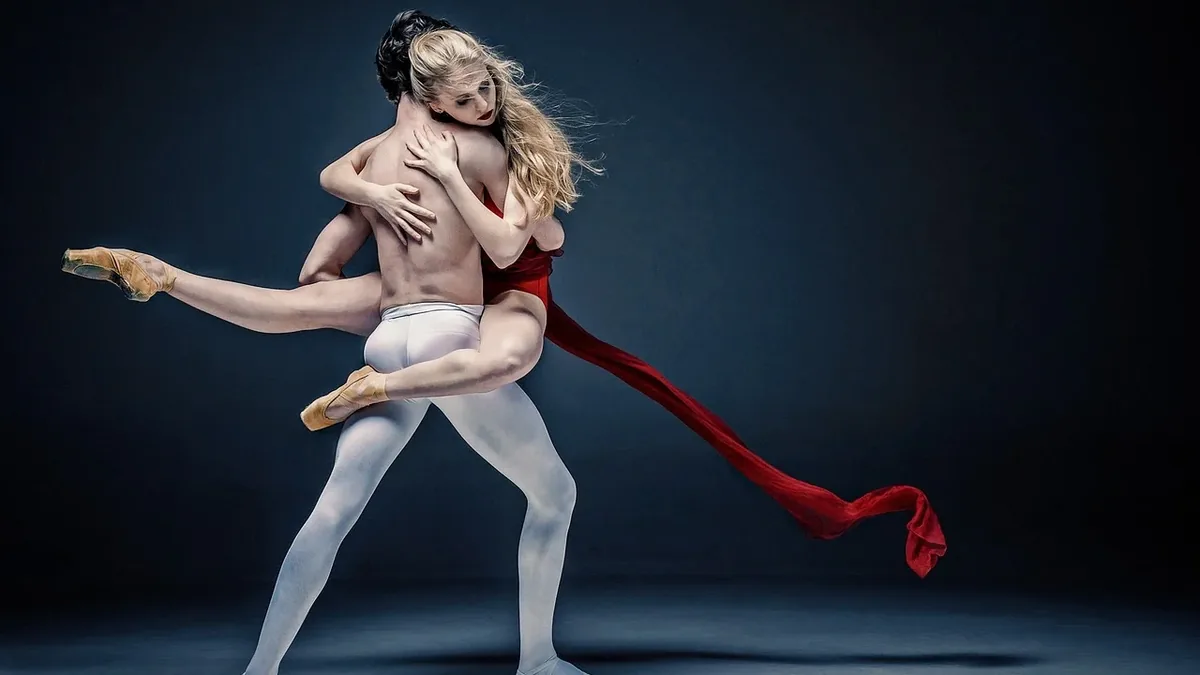
Dancers And Choreographers
| Primary discipline | Ballet, Modern, Hip-Hop, etc. |
|---|---|
| Artistic style | Narrative, Abstract, Avant-garde, etc. |
| Notable works | Titles of major choreographed pieces or performances. |
| Associated companies | Dance companies they have danced with or choreographed for. |
| Awards | Major dance awards received (e.g., Bessie Award, Prix de Lausanne). |
| Training | Key institutions or teachers. |
| Career span | Active decades (e.g., 1980s–present). |
Origin and history
The professions of dancer and choreographer have origins in the earliest human civilizations, with ritualistic and ceremonial dance documented in ancient cultures across the globe. Formal theatrical dance traditions have independent roots in regions such as South Asia, with classical forms like Bharatanatyam, and in Europe, with the codification of ballet in the Italian Renaissance courts of the 15th and 16th centuries. The role of the choreographer, as a separate creative director of movement, became more defined with the rise of ballet d'action in the 18th century, which emphasized narrative storytelling through dance. The 20th century saw explosive diversification with the development of modern dance in Europe and America, challenging ballet's strict forms and giving rise to distinct techniques and philosophies. Postmodern dance movements from the mid-20th century further deconstructed theatrical conventions, incorporating pedestrian movement and task-based performance. Today, these roles continue to evolve through global exchange and the influence of commercial, street, and digital media forms.
What it is for
Dancers are performers who use their bodies as instruments to express ideas, emotions, and narratives through structured or improvised movement, often in synchronization with music. Choreographers are the architects of dance, creating and arranging sequences of movement, teaching them to dancers, and shaping the overall kinetic composition of a work. Their primary function is to create artistic performances for stage, film, television, and digital platforms, contributing to cultural expression and entertainment. Beyond performance, these roles serve to preserve cultural heritage through the maintenance and teaching of traditional dance forms from specific ethnic or national backgrounds. Dance and choreography are also applied in therapeutic contexts, using movement to support physical rehabilitation and mental well-being. Furthermore, they are integral to the commercial entertainment industry, providing essential creative content for music videos, stage musicals, and live concert tours.
Overview
A dancer's work involves rigorous daily training to maintain technical proficiency, physical strength, and flexibility, often specializing in a specific genre like ballet, contemporary, hip-hop, or tap. Choreographers typically begin as dancers, gaining a deep understanding of movement vocabulary before transitioning to creating original work, which involves sketching ideas, selecting music, and casting performers. The field encompasses a vast spectrum, from solo artists and small collectives to large commercial productions and prestigious classical ballet companies. Professional pathways are highly varied, with some artists pursuing concert dance in dedicated companies, while others work in commercial entertainment, on cruise ships, or in theme parks. The creative process is collaborative, requiring choreographers to work closely with dancers, composers, costume and lighting designers, and directors. Success in these fields depends not only on artistic talent and physical capability but also on resilience, adaptability, and often skills in self-promotion and networking.
What to know
Career longevity for a performing dancer is often limited, with many transitioning to teaching, choreography, or related fields by their late 30s or 40s due to physical demands. Most professional dancers undergo many years of formal training, often beginning in childhood, and may attend specialized conservatories or university dance programs. Income is frequently unstable and project-based, requiring many professionals to supplement their performance work with teaching, administrative roles, or unrelated employment. Choreographers are typically hired on a per-project basis, such as for a single theatrical production or music video, though some may hold resident positions with a dance company. The industry is intensely competitive, with a significant oversupply of trained dancers relative to the number of available full-time company positions or high-profile gigs. Understanding the business aspects, including contract negotiation, union memberships (like Actors' Equity or the Screen Actors Guild), and self-management, is a critical, non-artistic component of a sustainable career.
Common questions
What is the difference between a dance teacher and a choreographer? A teacher instructs students in established technique and repertoire, while a choreographer creates original movement sequences and compositions. How does one become a professional choreographer? Most choreographers build a portfolio by creating work on student groups, founding their own small companies, or assisting established choreographers while developing a distinct artistic voice. Is a college degree necessary for a dance career? While not strictly necessary for all paths, a degree can provide valuable training, networking, and a academic foundation for teaching or administrative futures. What are the most common injuries for dancers? Stress fractures, tendonitis, and ankle and knee sprains are prevalent, often resulting from overuse, improper technique, or the repetitive impact of training and performance. How do choreographers get paid? They typically negotiate a flat fee or royalty agreement for a project, which is separate from the dancers' salaries, and fees can vary enormously based on the production's budget and the choreographer's reputation. Can one make a stable living as a dancer? Stable, salaried positions are rare and found primarily in large, established ballet or modern dance companies, with many other dancers piecing together income from various freelance performances and teaching.
Pros and cons
A significant pro is the profound personal fulfillment derived from artistic expression, physical mastery, and the immediate connection with a live audience. The work can offer unique opportunities for travel, cultural exchange, and collaboration with other talented artists across various disciplines. For some, the structure of daily class and rehearsal provides a disciplined and purposeful routine centered on physical and creative growth. A major con is the high physical and psychological toll, including chronic pain, the constant risk of career-ending injury, and the pressure to maintain a specific physique. Financial instability and lack of benefits like health insurance or retirement plans are near-universal stressors, even for highly skilled professionals. Many individuals regret the singular focus required in youth, which can lead to gaps in general education or alternative career preparation, making a mid-life transition difficult and disorienting. A common mistake is underestimating the non-performance skills needed, such as business acumen, self-marketing, and the emotional resilience to handle frequent rejection and criticism.
Who it suits
This career path suits individuals with an exceptional level of physical discipline, bodily awareness, and a high tolerance for physical discomfort and repetitive practice. It is ideal for those who are intrinsically motivated by the art form itself, rather than external validation or financial reward, and who possess a strong need for creative expression. People who thrive in collaborative, non-traditional work environments and can handle irregular hours and project-based income instability may find it a good fit. It is less suitable for those who require financial predictability, comprehensive job security, or a standard nine-to-five work-life balance. Individuals who are highly self-directed, entrepreneurial, and able to create their own opportunities often navigate the field more successfully than those waiting for auditions. Ultimately, it suits those for whom the drive to dance or create movement is so fundamental that the considerable sacrifices are deemed a necessary part of the artistic life.