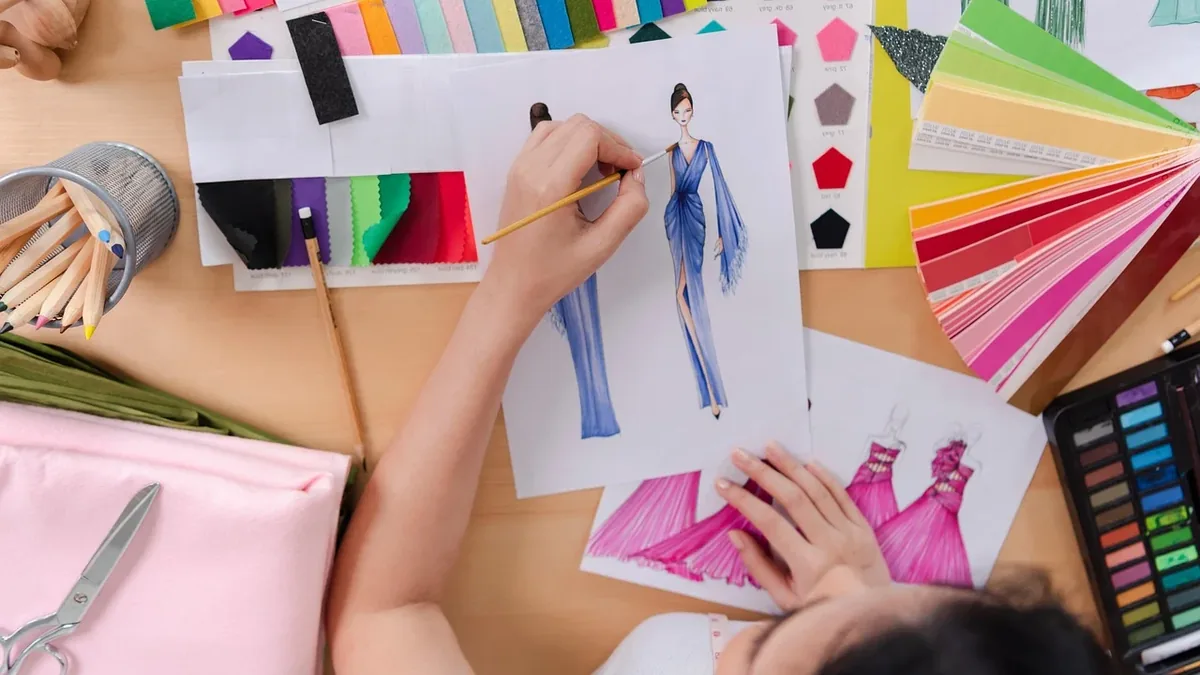
Designers And Stylists
| Field of work | Fashion design, interior design, or personal styling |
|---|---|
| Original use | Creating aesthetic and functional designs for clothing, spaces, or personal appearance |
| First documented | 19th century |
| Notable work | Collections, signature styles, or notable design projects |
| Materials used | Fabrics, textiles, or interior finishes |
| Design philosophy | Stated approach or school of thought |
| Influences | Artistic movements, cultural trends, or other designers |
Origin and history
The professional roles of designer and stylist have distinct but interconnected histories rooted in the industrialization and commercialization of clothing and image in Western Europe and North America. The concept of the fashion designer as an authorial creative force emerged in the mid-19th century, with figures like Charles Frederick Worth in Paris establishing the first true fashion houses. The role of the personal stylist, focused on curating an individual's appearance from existing garments, developed significantly later, gaining prominence in the latter half of the 20th century alongside the growth of celebrity culture and media. Styling as a dedicated profession for photoshoots, films, and red carpets became formally recognized in the 1980s and 1990s. The convergence of these fields was accelerated by global fashion media and the internet, which democratized access to trends and professional advice. While these professions now operate worldwide, their modern professional structures and industry standards are largely derived from these historical hubs in fashion capitals.
What it is for
Fashion designers are primarily for the creation of original clothing and accessory collections, conceiving garments from initial sketch through to final production. Stylists are for the strategic selection and combination of clothing, accessories, and sometimes hair and makeup, to create a specific visual narrative for an individual or project. Designers serve the fashion industry and consumer market by producing new items for retail, establishing seasonal trends, and building brand identities. Stylists serve clients, including private individuals, celebrities, models, and corporations, by refining their public image, ensuring appropriateness for events, and enhancing visual appeal for media. Both roles are for solving visual problems, whether that involves constructing a garment from fabric or constructing a cohesive look from disparate pieces. Ultimately, these professions exist to mediate between creative expression and public perception, influencing how identity and aesthetics are communicated through attire.
Overview
A fashion designer operates as both an artist and a product developer, responsible for the entire lifecycle of a garment from concept to runway or store. A stylist operates as an editor and visual strategist, working with pre-existing items to craft a specific impression for a client or photographic outcome. Designers typically work within a brand, a fashion house, or under their own label, engaging in pattern-making, fabric selection, and overseeing manufacturing processes. Stylists are often freelance or agency-represented, building networks with showrooms, PR agencies, and retailers to source clothing for their clients. The designer's output is a collection of tangible products, while the stylist's output is a curated image, often temporary, for an event, publication, or campaign. Both professions require a deep understanding of silhouette, color theory, textile properties, and cultural context, though their applied skills and daily tasks differ substantially.
What to know
It is important to know that while both roles require aesthetic sensibility, they demand different core skill sets: designers need proficiency in technical drawing, draping, and construction, whereas stylists need skills in networking, negotiation, and acute visual analysis. The career path for a designer usually involves formal education in fashion design and internships, while many stylists build careers through apprenticeships, assisting established professionals, and developing a strong portfolio. Designers are typically evaluated on the commercial success and critical reception of their collections, while stylists are evaluated on the satisfaction of their clients and the impact of their curated images in media. Financial stability varies widely, with many in both fields facing freelance unpredictability, high competition, and significant upfront costs for materials or sample acquisition. Understanding the industry's seasonal calendar, fashion weeks, market weeks, and editorial lead times, is crucial for timing in both professions. Furthermore, successful individuals in either role now must also navigate the demands of social media, using platforms to showcase their work and attract clients or collaborations.
Common questions
A common question is whether a stylist needs to be able to sew or alter clothes, and while it is not a formal requirement, practical knowledge of alterations is highly valuable for ensuring perfect fit. People often ask how designers get their ideas, which typically stem from extensive research into art, history, culture, and textiles, combined with interpretations of contemporary moods and practical considerations of wearability. Many inquire about the difference between a personal stylist and an editorial stylist, where the former focuses on an individual's everyday wardrobe and the latter creates thematic looks for magazine spreads or advertising campaigns. A frequent question concerns how stylists obtain clothing, which is usually through borrowing from showrooms, designer PR agencies, or retailers, with items returned after use. Aspiring professionals commonly ask about necessary education, and while degrees are prevalent for designers, a stylist's career is often built more on experience, taste, and relationships than formal qualifications. Finally, people question the sustainability practices within both fields, an area of increasing scrutiny regarding material waste in design and the environmental cost of constant newness in styling.
Pros and cons
A significant pro for both careers is the potential for creative fulfillment and the tangible satisfaction of seeing one's vision realized, whether as a worn garment or a published image. The work can offer variety, travel, and access to exclusive events or early product releases, which many find glamorous and stimulating. A major con is the industry's instability, with intense pressure, long hours, and frequent rejection, leading to burnout for those unprepared for its demands. For designers, a common mistake is focusing solely on creativity without mastering the business, production, and cost-calculation aspects, which can lead to financial failure. For stylists, a frequent regret stems from the precarious freelance nature of the work, including inconsistent income, the burden of self-promotion, and the stress of last-minute client demands or unavailable garments. Both fields can be criticized for fostering a culture of disposability and exclusivity, which can conflict with personal values, and success often relies heavily on subjective taste and personal connections as much as on merit.
Who it suits
A career as a designer suits individuals with a strong personal aesthetic vision, patience for meticulous technical processes, and resilience to withstand the critical and commercial reception of their work. It is well-suited to those who are as interested in the engineering of a garment, its structure, fabric, and fit, as they are in its visual appeal. Styling suits individuals with exceptional visual editing skills, a deep knowledge of brands and market offerings, and strong interpersonal abilities to manage client relationships and industry contacts. This role is ideal for those who thrive on variety, quick problem-solving, and the immediate gratification of transforming a look, rather than the long development cycle of design. Both professions suit people comfortable with non-traditional work hours, self-directed projects, and the constant need to adapt to changing trends. They are generally not suited for those seeking a predictable, low-stress career path or who are uncomfortable with subjective criticism and a highly competitive environment.