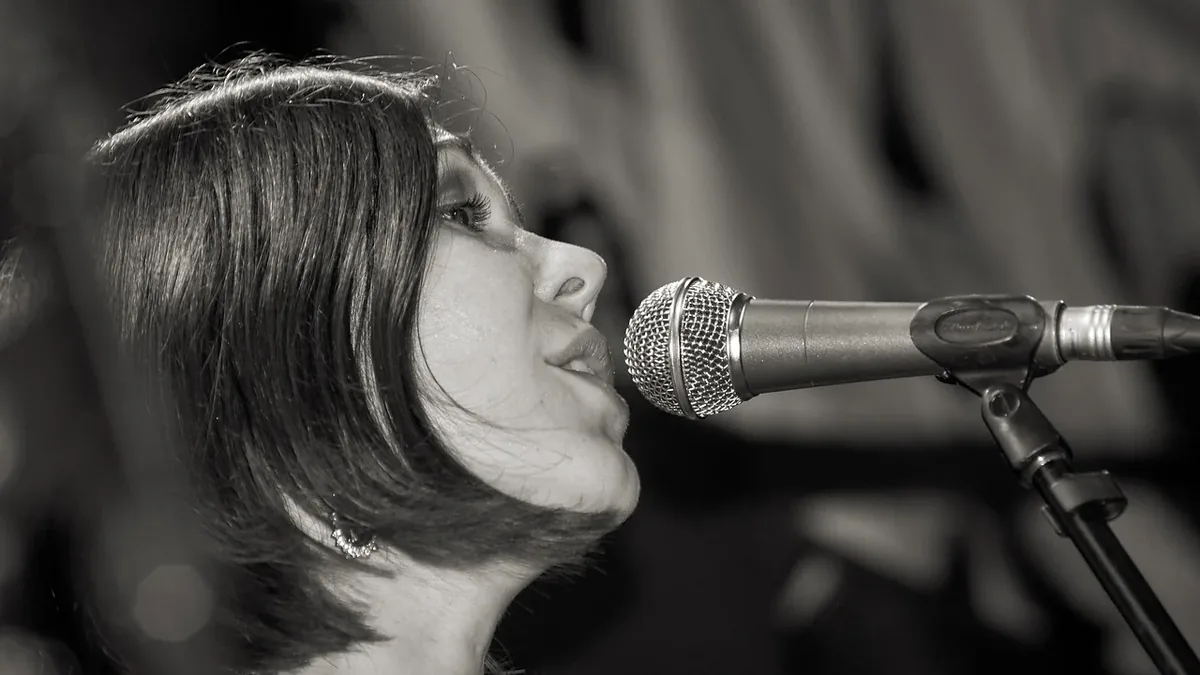
Dua Lipa
| Country of origin | United Kingdom |
|---|---|
| First created | 2010s (debut single released 2015) |
| Original use | Recording and performing popular music |
| Primary genre | Pop, dance-pop, disco-influenced |
| Vocal type | Contralto |
| Notable awards | Multiple Grammy Awards, Brit Awards |
| Associated acts | Various featured artists and producers |
Origin and history
Dua Lipa is a singer and songwriter of Albanian heritage, born in London in the 1990s. She spent part of her childhood in the capital of Kosovo, Pristina, before returning to London in her early teens. Her initial public forays into music involved posting cover songs on YouTube in the early 2010s. Her professional career began in earnest when she signed a modeling contract, which later led to a recording deal with Warner Music Group in the mid-2010s. Her self-titled debut studio album was released in 2017, establishing her presence in the pop music landscape. The album's commercial success was propelled by several hit singles, setting the stage for her subsequent global dominance.
What it is for
Dua Lipa creates and performs pop music intended for commercial release and public consumption. Her work serves as recorded entertainment for listening and as a basis for live concert performances. She functions as a vocalist, songwriter, and recording artist, contributing to the creative process of song construction and production. Her public output includes music videos, televised performances, and curated visual aesthetics that complement her sonic identity. The work also involves participation in the wider music industry through award shows, promotional interviews, and fashion collaborations. Ultimately, her public work is designed to build and maintain a career within the global entertainment industry.
Pros and cons
A significant pro of Dua Lipa's work is its consistent production of chart-oriented, danceable pop music with broad international appeal. Her strong, distinctive contralto vocals provide a recognizable anchor across diverse production styles. A con is that the highly polished, studio-crafted nature of the music can sometimes prioritize formulaic dance-pop structures over lyrical depth or musical experimentation. Listeners seeking raw, unvarnished singer-songwriter material or genre-bending innovation may find the output too calculated. Some critics argue that the heavy reliance on disco and retro 1980s influences, while initially fresh, risks becoming a repetitive stylistic crutch. The common mistake for a new listener is to expect intimate, lo-fi artistry, when the public work is fundamentally designed for large-scale pop consumption and club play.
Who it suits
Dua Lipa's music suits listeners who prioritize rhythm, melody, and production value in their pop music. It is well-suited for fans of dance-pop, disco revival, and 1980s-influenced synth sounds who enjoy music primarily for entertainment and atmosphere. The catalog appeals to those who appreciate a strong, commanding female vocal performance within a polished, commercially viable framework. It is a natural fit for settings requiring upbeat, energetic background music, such as gyms, parties, or social gatherings. The work also suits audience members who value a cohesive visual and stylistic presentation alongside the music itself. It is less suited for listeners who are averse to mainstream pop conventions or who seek music with overtly political, confessional, or abstract lyrical themes.