Film And Television
| Country of origin | United States |
|---|---|
| First created | Late 19th century |
| Original use | Public entertainment and storytelling |
| Primary media | Motion pictures, broadcast and streaming series |
| Key creative roles | Director, producer, screenwriter, cinematographer, editor |
| Major genres | Drama, comedy, action, horror, science fiction, documentary |
| Production phases | Development, pre-production, production, post-production, distribution |
Origin and history
Film and television originated as distinct technological mediums in the late 19th and early 20th centuries, primarily in Europe and the United States. The foundational technology for motion picture film was developed in the 1890s, with pioneers like the Lumière brothers in France holding public screenings by the mid-1890s. Television's development occurred over several decades, with key electromechanical and electronic breakthroughs in the 1920s and 1930s in Britain, the United States, and the Soviet Union. The first regular, high-definition electronic television broadcasts began in the late 1930s, though widespread adoption was delayed until after the Second World War. These mediums evolved from scientific curiosities into dominant forms of mass communication and entertainment throughout the 20th century. Their histories are marked by continuous technological evolution, from silent films to sound, black-and-white to color, and analog to digital distribution.
What it is for
Film and television serve as primary mediums for storytelling, information dissemination, and cultural expression on a mass scale. They are used to create narrative fiction, including feature films, series, and miniseries, that explore the human experience. Documentaries and news programming utilize these formats to educate, inform, and provide journalistic accounts of real-world events and issues. The mediums are also fundamental for advertising and commercial messaging, leveraging their reach to influence consumer behavior. Furthermore, they act as a major platform for artistic and experimental work, allowing directors, cinematographers, and writers to realize unique visual and auditory visions. In a broader societal context, film and television function as a shared cultural ledger, reflecting and sometimes shaping social norms, political discourse, and historical memory.
Overview
Film traditionally refers to a sequence of photographic images recorded on celluloid or, now commonly, captured digitally, intended for projection in theaters or other viewing environments. Television historically refers to the electronic transmission and reception of moving images and sound, typically broadcast into domestic spaces. The contemporary landscape sees a profound convergence of these once-separate mediums, with content created for one often distributed through the other's platforms, such as cinematic films streaming online. The production of both involves large collaborative teams including writers, directors, producers, actors, cinematographers, editors, and sound and design specialists. Distribution models have radically shifted from theatrical exclusivity and scheduled broadcasts to on-demand streaming services accessible globally. Despite technological changes, the core objective remains the creation of audiovisual content for an audience, with television often characterized by episodic or serialized formats and film by a single, self-contained narrative structure.
What to know
The film and television industries are complex commercial ecosystems involving significant financial investment, with funding sources ranging from major studio budgets to independent financing and streaming service commissions. Intellectual property, such as copyrights for scripts, characters, and completed works, is a critical and highly valuable asset governing distribution and adaptation rights. Production is typically segmented into three main phases: pre-production (planning, scripting, casting), production (principal photography/filming), and post-production (editing, visual effects, sound mixing). Critical reception and audience metrics, including box office earnings, Nielsen ratings (for traditional TV), and streaming viewership data, heavily influence the creation and cancellation of future projects. The global nature of the industry means content is often produced with international markets in mind, affecting creative decisions, and leading to the rise of non-English language productions gaining worldwide popularity. Understanding the difference between the creative guilds (like the Writers Guild of America) and unions (like SAG-AFTRA) is essential, as they negotiate labor standards and protections for the workforce.
Common questions
What is the difference between a film director and a television showrunner? A film director typically has creative authority over a single movie, while a television showrunner is usually the head writer and executive producer who maintains creative and managerial control over an entire series. How do streaming services change how content is made? Streaming platforms often order full seasons at once, allowing for different pacing and narrative structures than traditional weekly network TV, and they use proprietary algorithms to recommend content and gauge success. What does "in development" mean? This term indicates a project has been greenlit for initial creative work, such as scriptwriting and attaching talent, but has not yet received full funding or a commitment to start production. Why do some films get a theatrical release and others go straight to streaming? This decision is based on a studio's strategy regarding a film's perceived box office potential, marketing costs, and its value in driving subscriptions to a proprietary streaming service. What are residuals? Residuals are ongoing payments made to unionized performers, writers, and directors when their filmed work is rebroadcast, syndicated, or sold via home media or streaming. How does censorship or content rating work? Most countries have rating systems (like the MPAA in the U.S.) that classify content by age suitability based on language, violence, and sexual content, rather than censoring it, though broadcast television has stricter regulatory standards.
Pros and cons
A significant advantage of film and television is their unparalleled power to create shared cultural moments and disseminate information rapidly to a global audience. They provide stable, creative career paths for thousands of professionals in both artistic and technical fields, contributing substantially to national economies. The artistic potential allows for profound storytelling that can foster empathy and understanding across different cultures and experiences. A major drawback is the high barrier to entry; the cost of production and distribution means creative control is often concentrated in the hands of a few large corporations, which can prioritize commercial viability over artistic risk. The industry is notoriously unstable for workers, with widespread freelance and project-based employment leading to income insecurity, despite the high-profile wealth of a few stars. Common mistakes include audiences conflating the sensationalized or simplified depictions on screen with complex realities, and creators misjudging the tastes of a fragmented modern audience, leading to expensive, high-profile failures.
Who it suits
Film and television as a career path suits individuals with a high tolerance for uncertainty, irregular work hours, and persistent networking, as steady employment is not guaranteed. It is well-suited to collaborative personalities who thrive in a strict hierarchy where creative vision must align with budgetary and scheduling constraints. For audiences, the medium suits those seeking passive entertainment, as well as active viewers who enjoy analyzing narrative structure, cinematography, and thematic depth. The industry suits storytellers who are visually literate and adept at conveying emotion and plot through image and sound, rather than solely through dialogue or text. It is particularly suited to projects requiring large-scale spectacle, historical recreation, or visual effects that are impossible to achieve in live theater or prose literature. Ultimately, it suits a society that uses audiovisual narrative as a primary tool for recording its era, debating its values, and imagining its future.
Latest Film And Television news
Latest reporting
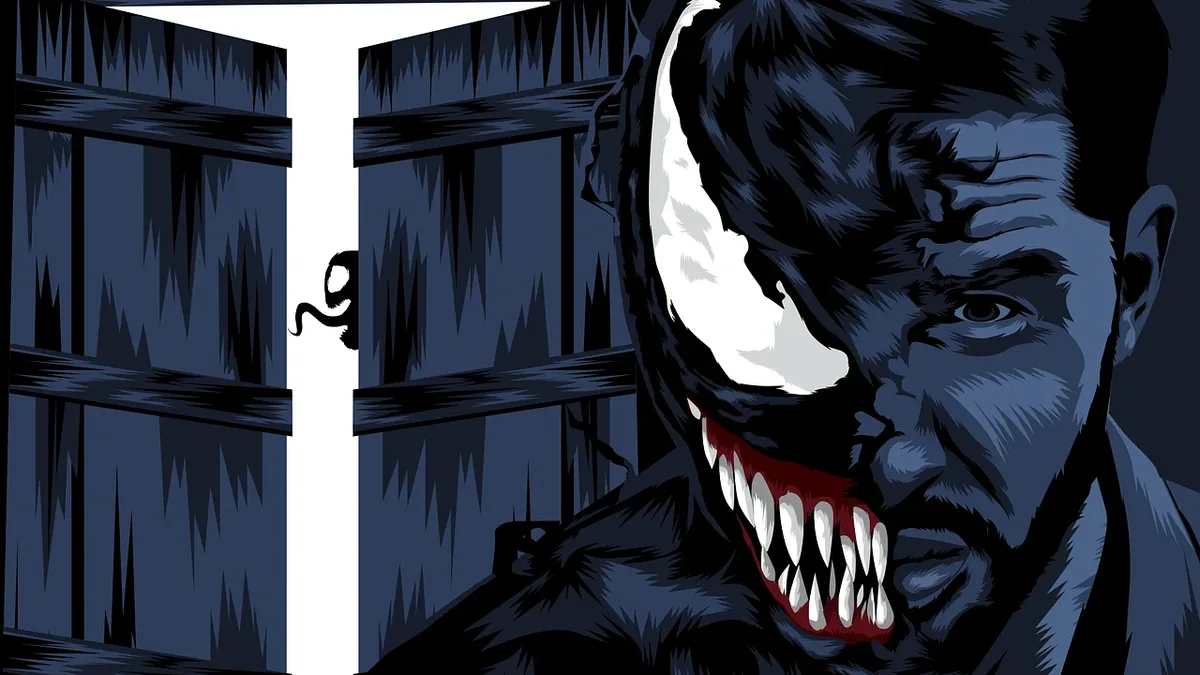
Tom Rhys Harries on playing DC's Clayface
Welsh actor Tom Rhys Harries discusses his role as the monstrous villain in the new film 'Clayface', while a separate list highlights seven uniquely...

The Social Reckoning dramatizes Facebook's 2021 whistleblower crisis
Aaron Sorkin's new film, 'The Social Reckoning,' casts Jeremy Strong as a morally compromised Mark Zuckerberg during the 2021 Facebook whistleblower...

Attitude Awards 2026 Honour LGBTQ+ Icons Across Entertainment
The 15th Attitude Awards in London celebrated LGBTQ+ figures and allies from music, film, TV and activism, with winners including Pet Shop Boys...

Scottish 1926 film Till the Bells Ring predates The Jazz Singer
A 46-minute Scottish domestic comedy with synchronised sound, premiered in Edinburgh in October 1926, is now recognised as the world's first talking...
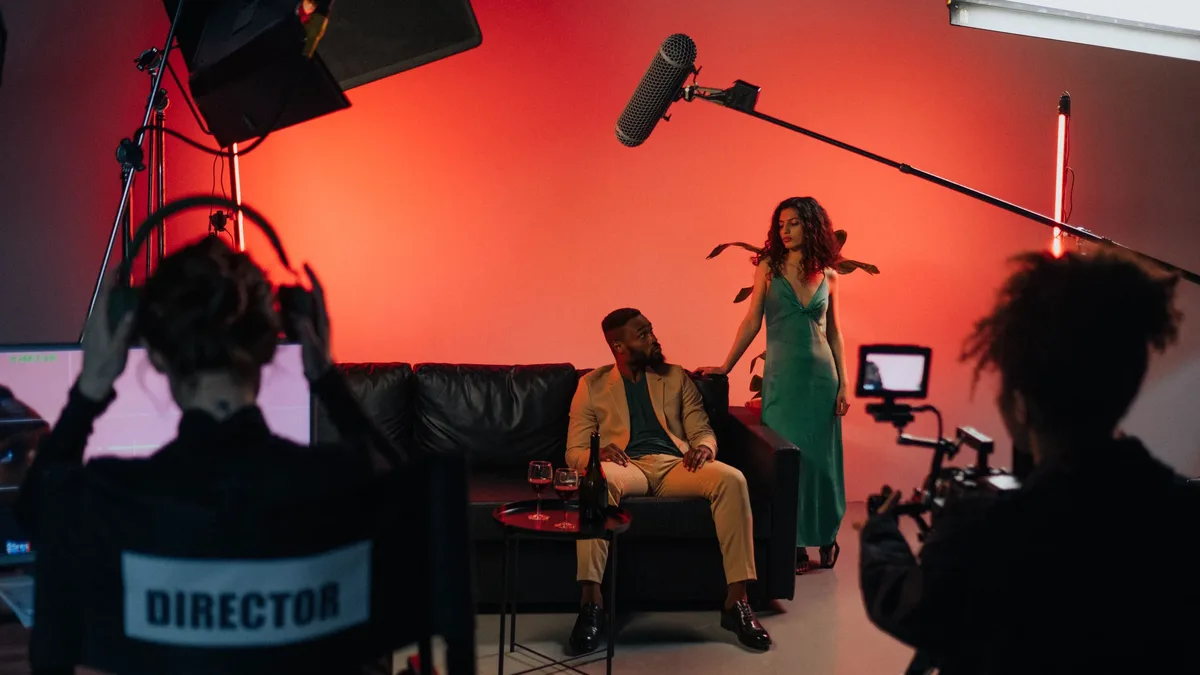
Zach Cregger's Resident Evil reboot follows a courier's survival journey
Director Zach Cregger's Resident Evil film reboot, released in September 2026, focuses on a hapless courier's survival journey.

Tom Cruise Stars in Divisive Eco-Satire
Tom Cruise transforms into an aging oil tycoon in Alejandro G. Iñárritu's 2026 satire 'Digger', a film facing criticism for its execution despite a...