Met Gala 2026
| Date | Early May 2026 |
|---|---|
| Venue | The Metropolitan Museum of Art, New York City |
| Benefiting Institution | The Metropolitan Museum of Art's Costume Institute |
Overview
The Met Gala is an annual fundraising gala for the benefit of the Metropolitan Museum of Art's Costume Institute in New York City. It serves as the grand opening celebration for the Institute's annual fashion exhibition, with each year's event centered on the theme of that exhibition. The gala is widely considered the most exclusive and prominent event in the global fashion calendar, attracting leading figures from the worlds of fashion, film, music, art, and business. Attendance is strictly by invitation only, with guests selected by the Costume Institute and the event's chairpersons. The event generates significant media coverage focused on the thematic interpretations of haute couture and avant-garde fashion worn by attendees on the red carpet. Funds raised from the high-cost tickets and corporate sponsorships provide the primary annual funding for the Costume Institute's acquisitions, exhibitions, and operations.
History
The Met Gala originated in New York City, United States, and was first held in the late 1940s, specifically in 1948. The inaugural event was founded by fashion publicist Eleanor Lambert as a midnight dinner with tickets priced at fifty dollars, intended to raise money for the then-newly established Costume Institute and attract donations of notable garments to its collection. For its first several decades, the gala was primarily a society and fashion industry event held at various venues, including the Waldorf-Astoria hotel and the Met itself. A significant transformation began in the early 1970s when Diana Vreeland, former editor-in-chief of Vogue, began serving as a consultant to the Costume Institute and brought her high-concept, theatrical sensibility to the gala's themes and guest list. The modern era of the Met Gala, characterized by its extreme celebrity focus and global media spectacle, is largely attributed to Anna Wintour, Editor-in-Chief of Vogue, who took over chairmanship in the mid-1990s and radically elevated its profile, ticket prices, and fundraising capacity.
How it works today
The event is held annually on the first Monday in May at the Metropolitan Museum of Art on Fifth Avenue in New York City. The guest list, curated by Anna Wintour and her team, typically numbers around 600 individuals and is composed of a mix of celebrities, designers, business leaders, and other public figures deemed relevant to the year's theme. Invitees are often paired with specific fashion houses, which design and loan the custom, theme-interpretive looks worn on the red carpet, creating a symbiotic relationship between celebrity exposure and designer promotion. The evening begins with a highly photographed red carpet arrival that functions as a key platform for fashion statements and generates global media coverage. Following the arrivals, guests attend a private viewing of the newly opened exhibition in the Costume Institute's galleries, which is followed by an exclusive formal dinner and entertainment in the museum's halls. The substantial funds raised, with individual ticket prices reaching into the tens of thousands of dollars and corporate tables costing significantly more, are directed entirely to the Costume Institute, financing its entire annual budget for exhibitions, conservation, and scholarly work.
Pros and cons
A primary advantage of the Met Gala is its unparalleled success as a fundraising mechanism, providing essential and otherwise unavailable financial security for the Costume Institute's scholarly and curatorial work, ensuring the preservation of fashion history. It also functions as a powerful global platform for designers to showcase artistic, non-commercial work and for celebrities to demonstrate cultural capital through their thematic fashion commitments. Conversely, a significant drawback is the frequent criticism that the event's extreme exclusivity and commercial partnerships have overshadowed its original charitable and educational mission, with the artistic theme sometimes becoming secondary to mere celebrity spectacle. Many attendees regret their outfit choices when they are deemed by public and critical consensus to have failed to interpret the theme adequately or are cited for cultural appropriation, which can lead to lasting negative publicity. A common mistake is for guests to prioritize personal brand aesthetics or sheer extravagance over a genuine engagement with the exhibition's intellectual premise, resulting in a disconnect that undermines the event's stated purpose. Furthermore, the intense pressure and financial burden on designers to produce a singular, museum-quality garment for a single evening's wear is often cited as a problematic aspect of the event's modern scale.
Who it suits
The event ideally suits established, high-profile celebrities and public figures who have a demonstrated, serious engagement with fashion as an art form and the ability to comprehend and execute a complex thematic brief through their attire. It is particularly suited to designers who wish to operate at the intersection of art, craft, and cultural commentary, using the platform to present conceptual work to a global audience beyond the commercial runway. The gala also suits major corporate sponsors in the luxury, technology, and media sectors seeking association with high culture, exclusivity, and global attention in a curated environment. It is less suited to individuals who are uncomfortable with intense media scrutiny, those who view fashion primarily as a commercial enterprise rather than a cultural one, or those unable to commit the significant resources required for appropriate participation. The event is fundamentally designed for those who understand and can leverage its unique role as a nexus of art, celebrity, philanthropy, and media, contributing to the dialogue it aims to foster.
Latest Met Gala 2026 news
Latest reporting
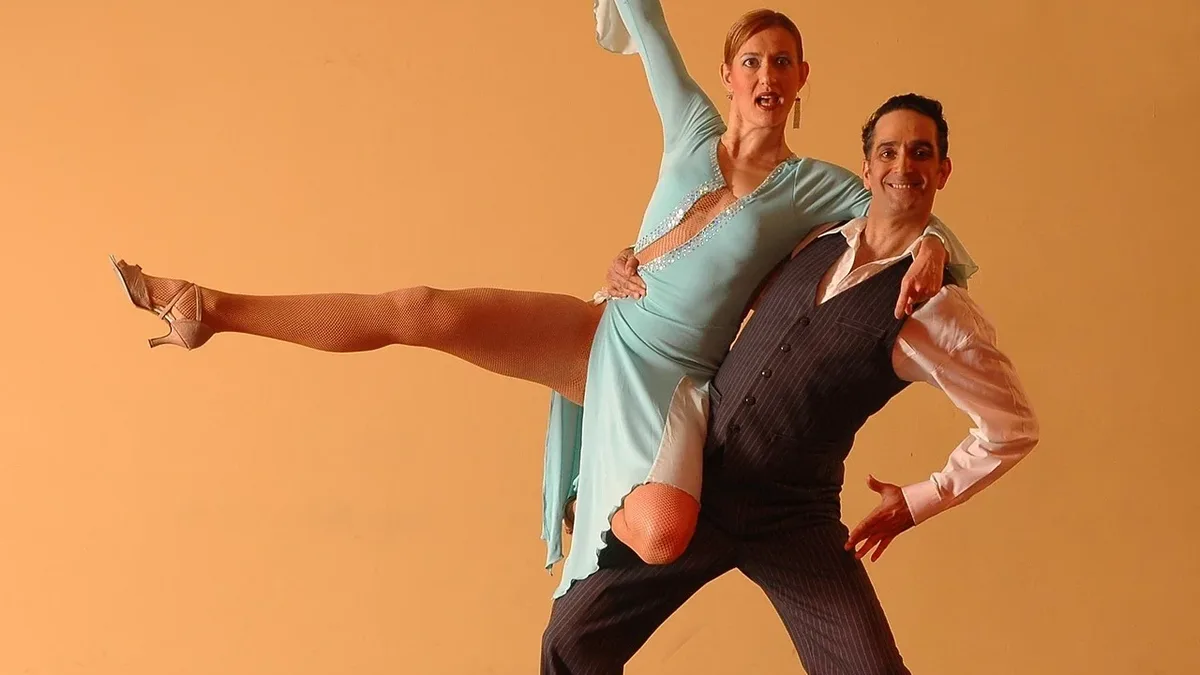
Dani Dyer's Strictly Come Dancing 2026 Week 3 Tango Revealed
TV personality Dani Dyer will perform a Tango to Robin S's 'Show Me Love' in Week 3 of Strictly Come Dancing 2026.

Attitude Awards 2026 Honour LGBTQ+ Icons Across Entertainment
The 15th Attitude Awards in London celebrated LGBTQ+ figures and allies from music, film, TV and activism, with winners including Pet Shop Boys...

Valentino Antibiblioteca Show Transforms Paris Library
Alessandro Michele presented Valentino's SS27 'Antibiblioteca' collection at Paris Fashion Week on October 4, 2026.

Elsa Rae and Marcus John Welcome Baby Boy Marley
Big Brother 22 stars Elsa Rae and Marcus John have announced the birth of their son, Marley Isaac Mark John, on October 2, 2026.

Zach Cregger's Resident Evil reboot follows a courier's survival journey
Director Zach Cregger's Resident Evil film reboot, released in September 2026, focuses on a hapless courier's survival journey.

Tom Cruise Stars in Divisive Eco-Satire
Tom Cruise transforms into an aging oil tycoon in Alejandro G. Iñárritu's 2026 satire 'Digger', a film facing criticism for its execution despite a...