Bafta Games Awards 2025
| Official name | BAFTA Games Awards |
|---|---|
| Organising body | British Academy of Film and Television Arts (BAFTA) |
| First awarded | 2004 |
| Awarded for | Excellence in video games |
| Ceremony frequency | Annual |
| Eligibility period | Games released in the preceding calendar year |
| Broadcast/streaming | Online stream |
Origin and history
The BAFTA Games Awards originate from the United Kingdom, as an extension of the British Academy of Film and Television Arts' long-standing awards ceremonies. BAFTA first formally recognized video games as a creative discipline in the late 1990s, with dedicated awards categories being introduced in the early 2000s. This established a separate, prestigious ceremony specifically for the games industry, distinct from the film and television awards. The 2025 edition represents a continuation of this two-decade-long tradition of honoring interactive entertainment within the UK's premier arts academy. The awards are deeply integrated into the British cultural institution's efforts to champion artistic and technical excellence across all screen-based media. Their history reflects the evolving cultural acceptance of video games as a significant form of creative expression worthy of peer recognition.
What it is for
The BAFTA Games Awards exist to recognize and celebrate outstanding creative achievement in the video game industry, judged by panels of industry peers. Its primary purpose is to highlight artistic, technical, and narrative excellence across a wide range of game genres and formats, from large-budget blockbusters to small independent projects. The awards serve as a benchmark for quality, aiming to elevate the cultural standing of games by applying rigorous, jury-based evaluation criteria similar to those used in film and television. It specifically aims to honor the collaborative efforts of development teams in disciplines such as game design, audio, animation, narrative, and technical innovation. The ceremony also functions as a high-profile platform within the UK and international media, bringing attention to the creators and their work beyond the core gaming audience. Furthermore, it acts as an archive of industry trends and artistic milestones, documenting the evolution of the medium through its annual list of nominees and winners.
Pros and cons
A significant pro of the BAFTA Games Awards is the high prestige associated with the BAFTA brand, which carries considerable weight in the international media landscape and can enhance a winner's credibility. The jury-based, deliberative judging process, involving multiple rounds of assessment by industry experts, is often seen as more rigorous and considered than popular vote systems. A notable con is that the awards can sometimes be perceived as conservative or out of step with popular player sentiment, as critically acclaimed but commercially niche titles may overshadow massive audience favorites. Some developers regret the significant resource investment required for the submission process, including creating tailored award showreels, which can be a burden for smaller studios. A common mistake is to view a BAFTA win or nomination solely as a predictor of commercial success, whereas its primary function is peer recognition for artistic and technical merit. The ceremony's focus on a single annual event can also disadvantage games released later in the eligibility window, which may have less time to build critical momentum with judges.
Who it suits
The BAFTA Games Awards suit development teams and studios, particularly those based in the UK or with strong UK ties, who seek prestigious peer validation from within a traditional arts institution. They are well-suited to games that emphasize strong narrative, artistic innovation, technical craftsmanship, and musical composition, as these align with BAFTA's broader arts-focused categories. Independent developers with critically acclaimed, polished projects often benefit significantly from the exposure and legitimacy a BAFTA nomination can provide, even without a win. The awards also suit academics, critics, and historians of the medium who use the annual nominations as a curated record of artistic achievement in games. Publishers and investors looking for external validation of a project's quality beyond sales figures may find the awards a useful benchmark for prestige and craft. Finally, they suit players who use award shortlists as a guide for discovering games noted for their depth, innovation, and technical excellence, rather than purely mainstream appeal.
Latest Bafta Games Awards 2025 news
Latest reporting

Attitude Awards 2026 Honour LGBTQ+ Icons Across Entertainment
The 15th Attitude Awards in London celebrated LGBTQ+ figures and allies from music, film, TV and activism, with winners including Pet Shop Boys...

Alan Carr emotional at NTAs after Celebrity Traitors success
Comedian Alan Carr received a surprise Special Recognition award at the National Television Awards.

Madfabulous Leads Bafta Cymru Nominations
The film about eccentric aristocrat Henry Paget has six nominations, with The Guest and Under Salt Marsh also receiving multiple nods for the Welsh...
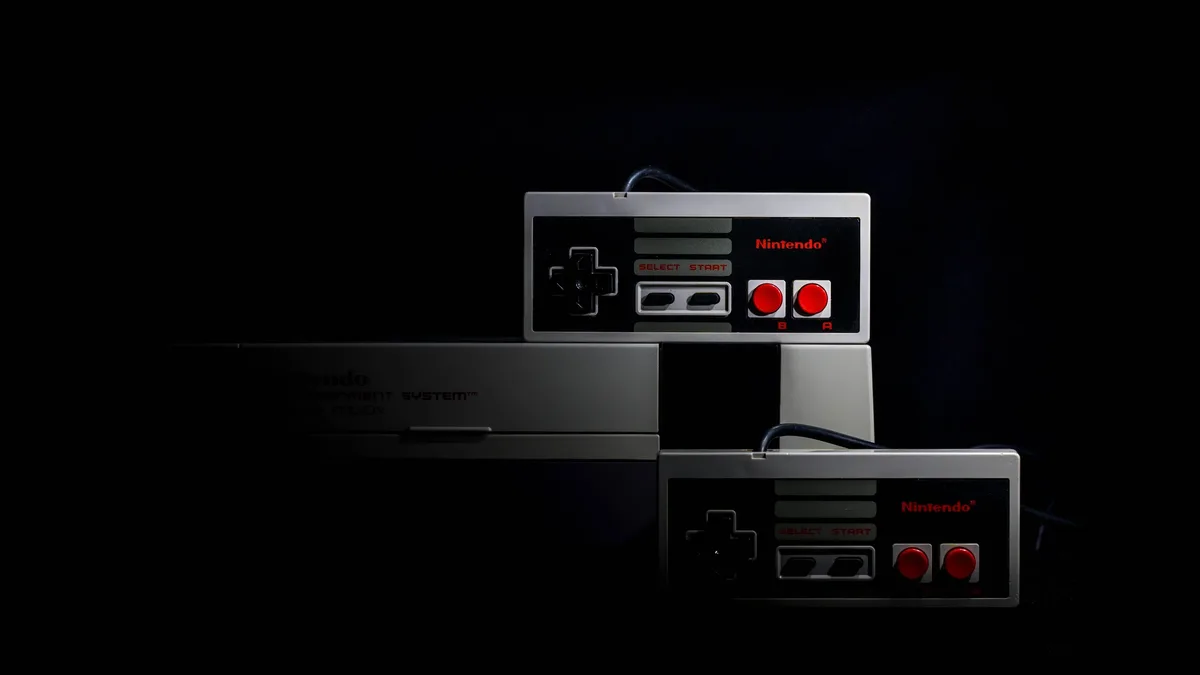
NES Games That Defined and Challenged Gamers
A retrospective on three iconic Nintendo Entertainment System games-Mike Tyson's Punch-Out!!, The Legend of Zelda, and Super Mario Bros.-that shaped...

Victoria Beckham firm makes first profit
Victoria Beckham Holdings Ltd made an operating profit of £7.3m in 2025, its first since the company's founding in 2008.

James Wan's Conjuring Universe Expands to HBO Max Series
The Conjuring horror franchise is being adapted into a TV series for HBO Max, set after the events of the 2025 film 'The Conjuring: Last Rites'.