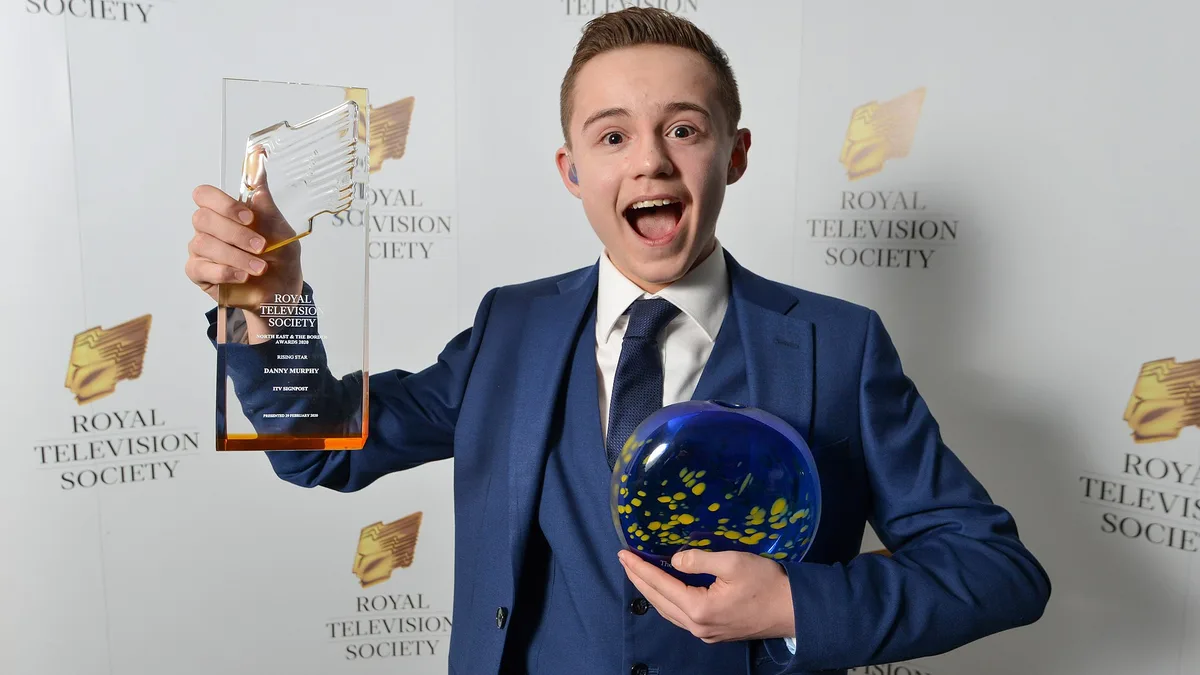
Royal Television Society Awards 2025
| Organizer | Royal Television Society |
|---|---|
| Awarded for | Excellence in television and related media |
| Ceremony frequency | Annual |
| Categories | Multiple, including news, current affairs, drama, comedy, and craft |
| Eligibility | Primarily United Kingdom-based productions and professionals |
| Judging | By panels of industry peers and experts |
| Status | Prestigious industry awards within the British television sector |
Origin and history
The Royal Television Society Awards originate from the United Kingdom, with the society itself being founded in the early 20th century. The specific awards ceremony, known as the RTS Programme Awards, was established in the latter half of the 20th century to recognize excellence in television programming. The 2025 awards represent the latest iteration of this long-standing annual ceremony, continuing a tradition that spans several decades. The society was formed by television industry pioneers to promote the study and discussion of television as a medium. Over the years, the awards have evolved to reflect changes in the industry, including the rise of new genres, production companies, and broadcast platforms. The ceremony is a key fixture in the British television calendar, with its history mirroring the development of the UK's broadcasting landscape.
What it is for
The Royal Television Society Awards 2025 are presented to honour outstanding creative and technical achievement in television programmes broadcast in the United Kingdom. They recognize work across a comprehensive range of categories including drama, comedy, entertainment, factual series, and sports coverage. The awards specifically aim to celebrate the craftsmanship behind television production, from writing and directing to performance, editing, and sound design. Unlike some awards based on public vote, the RTS Awards utilize a jury system of industry peers to assess entries, emphasizing professional judgement. The ceremony serves to highlight and benchmark the year's most distinguished television work for industry professionals and the public. Its purpose is to encourage high standards and innovation across all forms of television content.
Pros and cons
A significant pro of the RTS Awards is the high regard in which they are held within the industry, as they are judged by experienced peers, lending them considerable professional credibility. The range of categories is a strength, allowing recognition for often-overlooked technical and craft roles alongside performance and production awards. A notable con is that the awards can be perceived as insular, with a strong focus on the UK television industry that may overlook impactful international co-productions or streaming content not primarily aimed at a British audience. Some critics argue the jury system, while expert, can lead to predictable shortlists favouring established broadcasters and production houses. Winners and nominees sometimes express regret that the ceremony's profile with the general public is lower than other televised awards, limiting the promotional boost. A common mistake is for entrants to submit work without a clear understanding of the specific category criteria, which are often more narrowly defined than in broader entertainment awards.
Who it suits
These awards suit television professionals working within or for the UK market, including producers, directors, writers, and technical specialists seeking peer validation. They are particularly relevant for individuals and companies whose work exemplifies high production values and innovation within traditional British television genres. The awards suit emerging talent looking to gain recognition from established industry figures, as a nomination or win can significantly advance a career. They are also well-suited to public service broadcasters and independent production companies that prioritize creative ambition and craft over purely commercial metrics. The ceremony suits industry observers, scholars, and serious viewers who wish to understand contemporary standards of excellence in British television. It is less suited to those seeking a populist measure of success or recognition for content produced exclusively for and by global streaming platforms without a clear UK broadcast.
Latest Royal Television Society Awards 2025 news
Latest reporting

Attitude Awards 2026 Honour LGBTQ+ Icons Across Entertainment
The 15th Attitude Awards in London celebrated LGBTQ+ figures and allies from music, film, TV and activism, with winners including Pet Shop Boys...
Jedward's Big Brother return divides fans as 'painful' week predicted
Jedward have entered the Big Brother house for a third time, sparking a divided reaction from viewers who predict a 'painful' week of television.

Alan Carr emotional at NTAs after Celebrity Traitors success
Comedian Alan Carr received a surprise Special Recognition award at the National Television Awards.

Madfabulous Leads Bafta Cymru Nominations
The film about eccentric aristocrat Henry Paget has six nominations, with The Guest and Under Salt Marsh also receiving multiple nods for the Welsh...

Victoria Beckham firm makes first profit
Victoria Beckham Holdings Ltd made an operating profit of £7.3m in 2025, its first since the company's founding in 2008.

James Wan's Conjuring Universe Expands to HBO Max Series
The Conjuring horror franchise is being adapted into a TV series for HBO Max, set after the events of the 2025 film 'The Conjuring: Last Rites'.